Healthy Food Guide magazine subscription
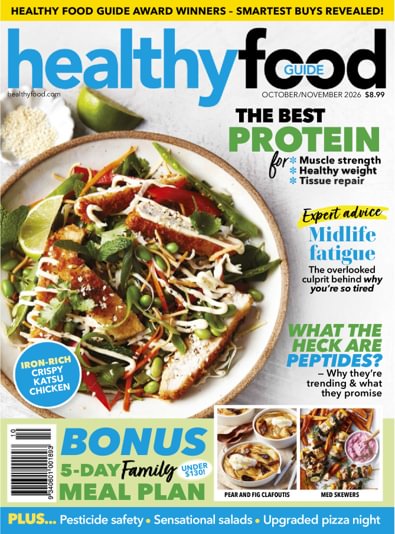
Cover
Price: $8.99
you save up to 4%
Nourishing, can-do recipes, expert health advice, practical ideas and shopping tips for healthy options, juicy facts and an easy-to-follow meal planner – making good food choices just became that much easier.
Read more
Deliver to:
Earn up to 260 isubscribe Rewards Points, that's 5 points per $1 spent.
RRP
$53.94
$52.00
SAVE 4%
Earn up to 445 isubscribe Rewards Points, that's 5 points per $1 spent.
Digital subscriptions are available for this title. Digital Subscriptions are supplied by Zinio, who will deliver the digital editions direct to your inbox - you can access them directly through your web browser or download the Zinio app on your mobile device.
VIEW DIGITAL SUBSCRIPTIONS
Australian Healthy Food Guide makes it easy for you to make healthy eating choices every day without having to compromise on taste, spend hours in the kitchen, or more money at the checkout.
Inside every issue our expert dietitians and nutritionists share with you the latest research, facts and myth-busters and informative articles with practical, seasonal advice.
You’ll also find a month’s worth of healthy, nourishing recipes - each with a complete nutritional analysis, quick tips and smart ideas to help you make good food choices at the supermarket - and to top it off, a no-fuss weekly meal-planner to really keep things simple. Too easy.
From the publisher
Healthy Food Guide is a monthly magazine that makes it easy for anyone to make healthy eating choices. Every issue contains practical advice from expert dietitians and nutritionists, dozens of tips and ideas to help consumers choose the right products at the supermarket, and a month’s worth of healthy recipes, all with a complete nutritional analysis showing kilojoules, fat, protein, carbohydrate, sodium and more.
Healthy Food Guide shows how to eat well every single day – without having to compromise on taste, spend hours in the kitchen, or more money at the checkout.
All prices for magazine subscriptions listed on isubscribe include delivery.
Your subscription will begin with the next available issue and in most cases, your magazine will be in your hands before it goes on sale in the shops! Due to publishing cycles and potential delays with Australia Post, please allow up to 6-9 weeks for your first delivery to arrive.
Healthy Food Guide is published by
Next Media,
who handle delivery and stipulate the lead time shown above.
Explore more titles from this publisher here.
In This Issue:
Welcome
Fitness and wellness culture and food marketers have elevated protein to rockstar status. In the past few years, protein has become the nutrient capturing the most public attention, despite nutrition science still emphasising the importance of a balance of all macronutrients: carbs, fats and protein.
Inevitably, when demand increases for a nutrient or ingredient, food manufacturers will jump on the opportunity to cash in on that demand. Which is why we’re now seeing protein-boosted products in almost every supermarket aisle.
This can create a ‘health halo’ effect on foods that wouldn’t ordinarily be considered the most nutritious options, such as ice cream, puddings and biscuits, and may encourage some people to eat more of these discretionary items, believing they are doing them more good than they actually are.
While protein…
Why you can trust healthy food GUIDE
Healthy Food Guide (HFG) magazine is your complete guide to healthy eating. Our recipes use easy-to-find, affordable ingredients. Cook with HFG and you’ll always enjoy a nutritious meal.
You can trust our advice. All our health information is supported by solid scientific evidence, not media fanfare. We smooth out any confusion caused by ‘pseudoscientists’.
We give unbiased opinions and are not affiliated with any food manufacturers. All branded food in HFG has been approved by our dietitians. Advertisers cannot influence editorial content.
Dietitians review all our articles so they’re always accurate with up-to-date information. A full list of references is also available on request.
Every recipe in Healthy Food Guide is healthy
Our recipe writers work with qualified dietitians to develop all our meals. A nutritional analysis is provided for…
Ask the expert… Min Saw
Q&A
While we can’t provide individual medical advice, we can answer your question with guidance for the general population. Gastritis is when the protective lining of your stomach becomes inflamed or irritated. It can cause indigestion, bloating, nausea, vomiting and discomfort in the upper abdomen.
The first step is understanding why you have gastritis. Gastritis can occur due to a bacterial infection such as H. pylori, long-term use of anti-inflammatory medications (such as ibuprofen or asprin), excessive alcohol intake, smoking, ongoing stress or autoimmune reactions.
If H. pylori are the cause, you may need antibiotics prescribed by your doctor. If medications, alcohol or lifestyle factors are contributing, addressing these areas can help support stomach healing. In some cases, gastritis may also affect the absorption of certain nutrients, so your doctor…
newsbites
5
The upper limit of cups of coffee considered generally safe for healthy adults, and bringing potential cardiovascular benefits, a US study showed. Experts warn though, different brews (and bodies) react differently, so trust your health professional on this one. Leave out the added sugars and syrups too, they say, and forget the caffeinated soft drinks or energy drinks, as they don’t contain the antioxidants, polyphenols and other plant compounds that may reduce inflammation and support metabolic health.
Circulation
LATE NIGHTS, MORE SNACKS?
People who tended to prefer to be awake later consumed more food in the evenings and had higher percentages of body fat, a New Zealand study showed. It was a small study and more research is needed, experts say, but the findings indicate treatment plans addressing obesity…
Weighing risks
Although they might help you lose weight, most obesity drugs don't improve your quality of life, research shows.
A study found the greatest weight loss was with tirzepatide (Mounjaro) and cagrilintide-semaglutide (CagriSema – currently being evaluated for use in Australia), but larger weight losses also came with higher rates of side effects and treatment discontinuation, which the authors say indicates a clear benefit-harm trade-off.
None of the studied drugs convincingly reduced kidney failure or produced clinically meaningful improvements in quality of life.
Some of the harms associated with greater weight loss included stomach and bowel symptoms, fatigue and loss of lean (muscle) mass.
Obesity treatment should be individualised, balancing benefits, harms and costs, the researchers said. BMJ…
The best
protein foods
AND HOW MUCH YOU
really
NEED
Protein has almost become a bit of an obsession in recent years, despite most Kiwis and Aussies meeting protein guidelines through their everyday eating.
There’s no doubt protein is an important macronutrient, just like carbs and healthy fats, but do we really need to have it added to everything we eat – from coffee, cereal and bread to ice cream, cookies, drinks and beyond? And is there a difference in protein quality, for instance from natural sources rather than fortified or supplemented foods? Let’s dig into the evidence-backed details on protein.
What is protein?
Proteins are made up of 20 amino acids. Nine of these amino acids are called ‘essential' as we must get them from what we eat, whereas the body can manufacture the others if they're not consumed…
Why midlife is a critical time TO CHECK YOUR IRON LEVELS
❭❭ What is iron? An essential mineral, iron helps red blood cells carry oxygen throughout the body. It also supports energy metabolism, brain function, immunity and healthy muscles. The body uses iron to make haemoglobin, the protein in red blood cells responsible for transporting oxygen. When iron stores become too low, haemoglobin production can eventually be affected, leading to iron deficiency anaemia.
One of the most common nutritional deficiencies, low iron can affect anyone, but symptoms are often overlooked
How common is low iron?
Iron deficiency is one of the most common nutritional deficiencies worldwide. The World Health Organization describes it as ‘the most common and widespread nutritional disorder in the world’, with females at greatest risk because of higher iron requirements and ongoing menstrual blood losses.
Australian data show…
What are
PEPTIDES?
and why they're
making headlines
Peptide may not yet be the 2026 Oxford Word of the Year, but it must surely be in the running.
From your friendly neighbourhood influencer to the gym bros, injectable peptides have been all over social media and are now making mainstream news when things go horribly wrong. People are taking them, and promoting them, for a seemingly endless list of reasons. Depending on who you ask, they’ll either put a pep in your step, give you a tan, make your skin glow, or even build you bigger muscles. But for those of us not immersed in this new form of chemical pop culture, what the heck are they?
They’re chemical messengers
Many peptides occur naturally in the body (endogenous), or in the food we eat (exogenous). These short chains…
Should you really avoid
FRUIT AND VEG
on the
‘DIRTY DOZEN’ LIST?
The ‘dirty dozen’ is a yearly list published by the Environmental Working Group (EWG) in the United States, ranking fruit and vegetables based on detected pesticide residues. Foods like spinach, kale, cherries and strawberries often appear near the top. The message circulating online is simple: these foods are ‘dirty’ or ‘toxic’ and we should avoid them or only eat organic. But do these residues actually pose a health risk?
CLAIM: ‘THESE FOODS ARE LOADED WITH HARMFUL PESTICIDES’
Pesticide residues can be detected on many foods – that part is true. But detection doesn’t equal danger. Advances in testing mean we can identify extremely tiny amounts, often thousands of times below levels considered harmful.
In Australia and New Zealand, maximum residue limits (MRLs) are established by the Australian Pesticides and Veterinary…
Change gear
As the days warm up, our cooking takes a fresh turn too. Think vibrant vegan dishes, budget-friendly family dinners, nourishing super grains and sweet pear creations – a tempting mix of recipes to ease into lighter, more relaxed springtime eating.
To make life easier, we‘ve done the healthy eating hard yards for you! Every main meal contains at least two serves of vegies. Each dish meets our dietitians‘ criteria to ensure it doesn‘t contain too much energy, saturated fat, sugar or sodium. Recipes all come with a nutritional analysis, with the table on p95 showing how they fit daily nutritional needs.
Our food writers work with qualified dietitians to develop these recipes for maximum health benefits. For more about our recipe badges, see p99.
✓ gluten free ✓ dairy free…
Prev
Next
https://www.isubscribe.com.au/healthy-food-guide-magazine-subscription.cfm
16524
Healthy Food Guide
https://www.isubscribe.com.au/images/covers/au/779/16524/square/HealthyFoodGuide210202621225.jpg
20.00
AUD
InStock
/Magazines/Food & Drink/Food
Nourishing, can-do recipes, expert health advice, practical ideas and shopping tips for healthy options, juicy facts and an easy-to-follow meal planner – making good food choices just became that much easier.
20.00